
Ron Charles on Why Book Coverage Still Matters
The longtime critic discusses disappearing book sections and the future of literary criticism.

I recently spoke with longtime book critic Ron Charles for a Poynter.org story about what journalists lose — and gain — when they go independent. The story was published earlier this week and explores how the creator economy is opening new doors for journalists.
I interviewed eight people for the piece and came away with a mountain of material that couldn’t possibly fit into a single story. My conversation with Ron — who was laid off from The Washington Post in February and now reviews books full-time in his Substack newsletter — was especially compelling.
During our interview, he reflected on the evolution of his book reviews, how he decides which books to cover, and why book coverage is an art worth preserving.
With Ron’s and Poynter’s permission, I’m repurposing parts of our Zoom interview that didn’t make it into the story and publishing them here. The Q&A below has been lightly edited for length and clarity.
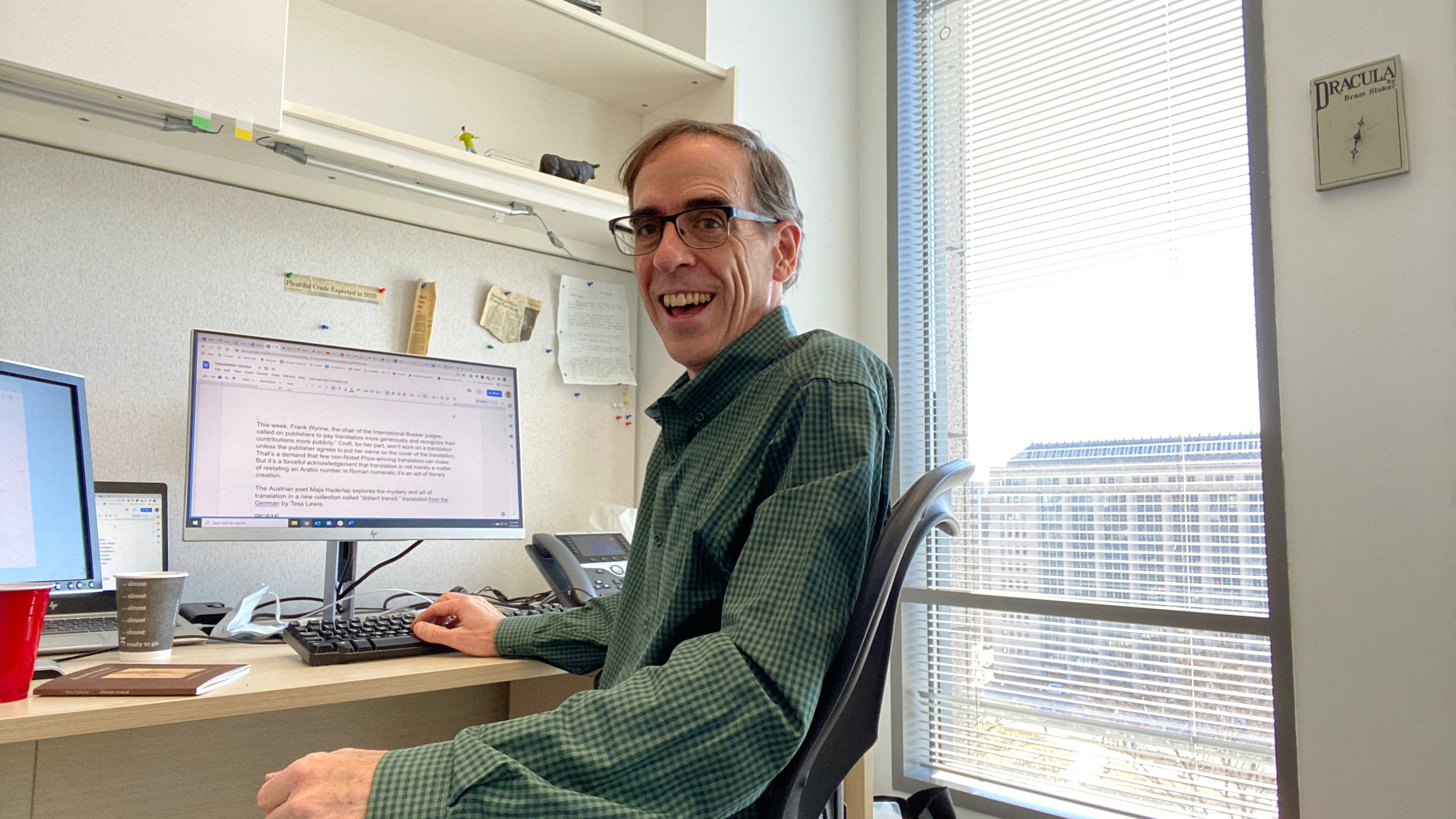
Mallary: I have so many questions! For starters, are you still getting pitched from a lot of book publicists? I’m wondering if that’s continued even though you’re no longer at The Washington Post.
Ron: That is the real highlight of this, because my first concern was no one would be interested, and the second concern was publishers wouldn’t help me, because I can’t do this without their help. But they have all come through. I mean, it’s just incredibly gratifying. They send me anything I asked for. Their authors are available for interviews. I think they are adjusting as fast as we are to a new landscape in which they have to play with whoever’s out there. They’ve been very responsive, which is essential to my work.
It’s so interesting to think about that evolution, right? Years ago, when publicists were primarily pitching mainstream outlets, the idea of pitching someone with a newsletter wouldn’t necessarily have crossed their mind. But now, that practice is far more common.
I think it’s a sign of how few outlets are left, or of their desperation. Also, I think Goodreads softens them up, because I see all the time on Goodreads or other free sites, somebody will write a review, and then they’ll say, ‘I wrote this honest review in exchange for a free copy of the book from the publisher.’ So I think publishers have been doing this for a while and are trying to find these independent people out there on social media, so I wasn’t breaking any precedent with them. I just didn’t really realize how generous they would be.
It’s sad to think about how many media outlets have done away with book coverage. Do you think this means there are more opportunities to keep book reviews alive on different platforms?
Well, first, it is a shame. It’s a real shame. It’s been going on for a long time, though, because when I came to The Post in 2005 that was at the end of a two-year search for another job. I was books editor at the Christian Science Monitor. I got the feeling the publisher was going to close the paper, so I needed someplace to go. So in 2004, 2003, as I looked across the country, the book pages were closing everywhere. And every city used to have a newspaper, and every one of those newspapers used to have a book page, and some of them had book sections on Sunday. And they are all gone. Hundreds, maybe thousands, of the newspapers are gone too. So it’s a completely different landscape for book coverage.
I think The Post closing Book World was so dramatic because we were one of the last freestanding book sections left, so it just was such a noticeable thing. Whereas when some little newspaper in the Midwest closes its book page, it’s a disaster for that community, but it wouldn’t make the sort of national ripples that something like the closing of Book World did.
Also, as it became more common, it was harder to report on, because everyone already heard that story; you know, the 300th book page they closed is not news.
I’d love to hear your perspective on why you think book coverage matters so much.
In a newspaper (let’s talk about that), it matters because it anchors the kind of coverage the news does. These are the parts of our culture that are most considered, that people have spent years thinking about and crafting, (talking about nonfiction and fiction), whereas most of what the newspaper covers happened last night or that week, certainly. And so I think it provides a much broader, much more thoughtful view of our culture and our politics and our history. And when you take that away, the paper just gets lighter — lighter intellectually, briefer in its historical scope. So I think that’s the most important thing.
Also, people who read newspapers (who are left reading newspapers, God bless them), that’s the Venn diagram of people that are reading books, so they want to know about books. And there are tens of thousands of new titles published every year, maybe hundreds of thousands if you include independent books. And it’s almost impossible to find what you want to read, except for the bestseller list, which tends to be very immobile and sticky. So, you need intelligent book sections that are looking broadly, that are trying to expand your interests, or that are just telling you about books that you’ve heard of but need help deciding whether you want to invest the money or the time reading them. Those are all legitimate functions of a newspaper, or even a news organization.
It’s expensive to have a book section and have dedicated critics, but it’s not expensive to have a books page. You just pile it onto the feature editor and tell this overworked person that every Sunday they should run another four or five book reviews, and they usually cost about $150 to $600 a piece, or you can buy them freelance. You used to be able to buy them from The Post. You can still buy them from The New York Times or The Wall Street Journal, and through syndication. So it’s a fairly small investment for that.
Obviously, something like Book World was different. We had a big set of eight people full time. We had two full-time critics. That’s an incredible luxury that only the richest papers can (or I should say, could) afford, so I understand why those have gone away. But the book pages — I think it’s just a terrible shame and so short-sighted.
I agree. I interned at The Dallas Morning News, and my editor, Mike Merschel, used to review books there. As a young journalist, I loved seeing all the books he would get in the mail. His reviews of them offered so much value.
That was a legendary book section!
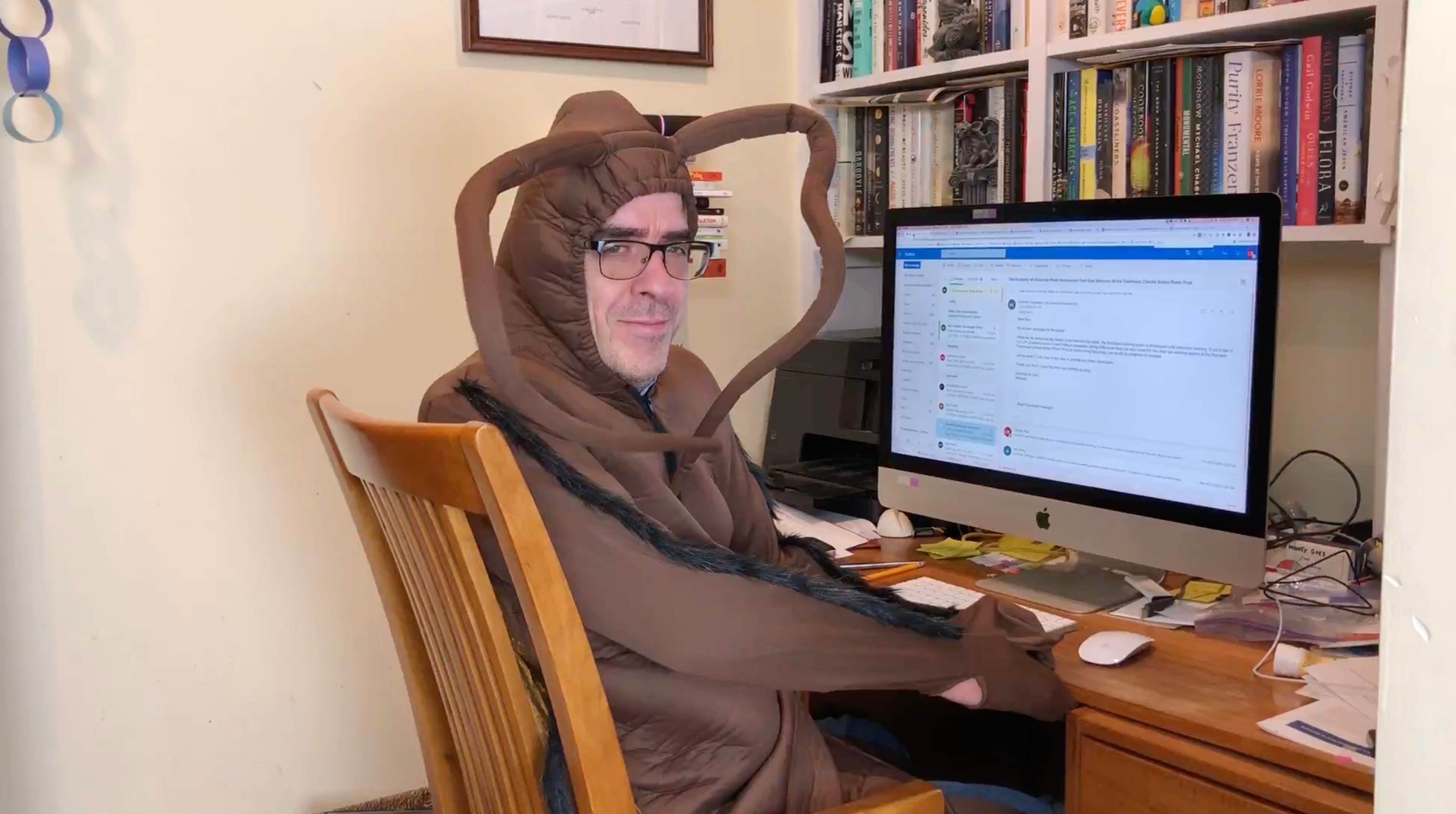
As you’ve transitioned to Substack, how has your coverage changed, if at all? What are you doing differently?
It’s much narrower. I used to be an editor for Book World, so I was assigning lots of reviews. I was fiction editor, so I wanted to make sure we were covering lots of different genres, different kinds of people, different voices. All that, of course, is gone. It’s just me. So I’m trying to be broad, but you don’t have the luxury of being obscure. That’s a luxury the big book section has. Because it’s just me, one review once a week, I don’t think I can afford to take weeks off by telling you about a book that you’re not going to click on.
They give us so much more information on Substack; you really can see how the clicks wax and wane according to reader interest. So what I’m still thinking about is: Can you still review debut books, or must you attend to only the most well-known, most clickable authors, who are very good? It’s not like I’m reviewing a bunch of crappy authors. These are people like Elizabeth Strout and Douglas Stuart — the best writers we have. So, it’s not like I’m lowering my standards, but there are new people, and there are small publishers, and there are books nobody’s heard of, and it would be lovely if those could get covered too.
I’m in the process of figuring out how to do that. And that’s really complicated when your livelihood depends on it.
That’s such a good point. It seems like when you’re at The Post, it felt safer to do a review of a more obscure book, or a book by a debut author, because your livelihood wasn’t depending upon that review.
And you still get the paycheck, whether the review did well or not. I’ve already reviewed several debut novels. I’ve done many, I would say, so it’s not like I’ve given up on it. But it’s just a different risk calculation, that’s all.
That’s interesting, particularly when you think about the internal conflict of wanting to surface books from debut authors who aren’t getting much attention, but also knowing you need to address the heavy hitters who people are naturally going to gravitate toward.
And what people say they want to read, and what they click on, are two wildly different things.
It makes me think about the celebrity book clubs, right? When I see them pick a bestseller, I think to myself, that book has already gotten so much attention! I say this selfishly, as someone who came out with my debut memoir last summer.
Right, and I fall into that too. I did a debut called Upward Bound by an author with autism about people who live in a day program. Nobody had heard of him, so I thought, this is pretty out there. But then the Times did a big spread on it, and then all the book clubs online were picking it. So by the time I got around to reviewing it, it was already a pretty big debut book. So, sometimes even when you try to pick something obscure, it becomes very famous before you get to it.
Let’s talk about what’s lost in the switch to Substack. What resources do you no longer have?
I had a great editor and great colleagues at The Post, and they fed me suggestions every day. They were really, really helpful. They were mostly positive suggestions, but once in a while there were warnings too, which were helpful. And if you don’t have that, if you’re just out on your own, it’s a very different climate. If you’re a young person starting off, you may not even miss that, because you never had it, but if you had it your whole career, to not have anybody looking over your shoulder and helping you out feels like you’re working without a net.
Do you have anyone to help edit your Substack posts? (In my case, it’s my husband.)
My wife. She’s a great English teacher. She has a full-time job, so she cannot be my editor, but she is. … It’s a lot to ask.
Lastly, I can’t help but wonder: Since you no longer have an office at The Post, where are you keeping all the books you receive? I see stacks of them behind you.
The books are everywhere. It’s destroying the house. We’re in the process of taking one of the kids’ bedrooms, turning it into an office, piling it full of bookcases. It is a redecorating challenge because I’m getting about six books a day, which doesn’t sound bad, but that’s 30 books a week. That’s like a whole bookshelf every week, so it’s a whole bookcase every six weeks.
Oh my gosh …
You try to give away as many as you can, but I’m not going to carry boxes of books places. They’re incredibly heavy. So I get people to come to the house and take them away, but they don’t come very often. It is really wild to get rid of all the books. If I were on the phone, I’d take you to the back room, which used to be another daughter’s bedroom, which is just filled with empty boxes of books.
✦ ~~~~~~ ✦ ~~~~~~ ✦ ~~~~~~ ✦ ~~~~~~ ✦
I’d love to hear from you! Please feel free to share your thoughts — about this interview, book reviews, or the future of literary criticism — in the comments.
Great post! As a former book reviewer, I read it with great interest. And yes, it's sad to reflect on the recent history of the genre. But it's also good to hear about its evolution. Thanks for the good info. (And I so relate to having too many books around the house.)