
Why every email, margin note, and Instagram post counts as writing
How lower-stakes writing can help sustain creative momentum.

Writers often ask me how to make more time for their craft. The question usually comes from writers who want to work on a book-length project and are understandably overwhelmed by the prospect of starting, or from those who started but are having trouble sustaining momentum.
Time is a tease. There’s never enough of it, and it’s filled with interruptions that can prevent us from putting words on the page. Rare is the writer who has the luxury of spending eight hours a day working solely on a book. Most of us have to find pockets of time, in the seams of the day. We also have to look for opportunities to do good writing not just in the pages of our manuscript, but also across platforms.

With that in mind, here are some related tips:
Develop a routine.
I try to write at the same time every day (in the very early morning, before my family wakes up) so that I can maintain consistency. If you need to, block off time on your calendar for writing. This will help you to prioritize it just as you would a work meeting or a doctor’s appointment. (Here’s a related newsletter post I wrote.)
“Touch” your project every day.
Some days, the words will come with relative ease. Other days, not so much. That ebb and flow is a natural part of the writer’s life and isn’t cause for concern. On days when the writing isn’t coming as easily, shift your attention to another aspect of your project: reading a book from an author whose work invigorates you; looking up research that will inform your thinking during the writing process; mapping out the structure for your next essay or chapter. This work can be just as important as the writing itself.
Take advantage of “lower-stakes” writing.
It’s easy to fall into the trap of thinking that you need to be sitting at your desk with hours of free time to do your most important writing. I’ve had rare days like that and have sometimes found them to be less productive than my more harried days. Sometimes my best writing happens when I’m doing what I call “lower-stakes writing” that doesn’t seem as important at first but proves to be equally fruitful.
This has happened for me on a few recent occasions: when I emailed a friend about my latest story and realized that the act of describing it helped clarify my story’s focus; or when I read a great book and my margin notes became fodder for a new essay idea; or when I created social media posts that unexpectedly turned into mini narratives.
Use social media with a writer’s mindset
Creating social media posts can be a distraction, sure. But it can also be an effective way to make time for lower-stakes writing that informs higher-stakes projects (e.g., manuscripts, stories, journal articles). And it can help you improve as a writer.
I learned this over 15 years ago when I wrote a Poynter.org story about how Twitter helped me become a better writer. While working on the piece, I challenged myself to write every sentence in the length of a tweet (140 characters or less). The experiment helped me to get better at writing succinctly — something I still work on to this day as a writer.
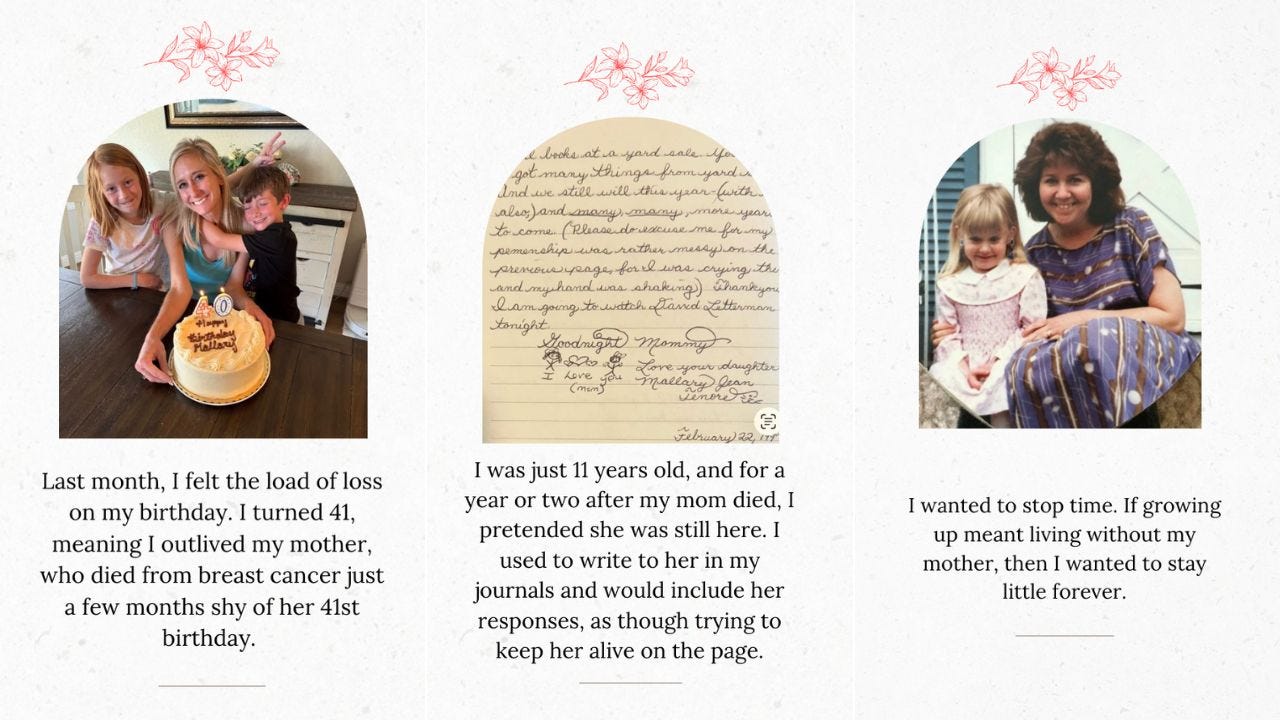
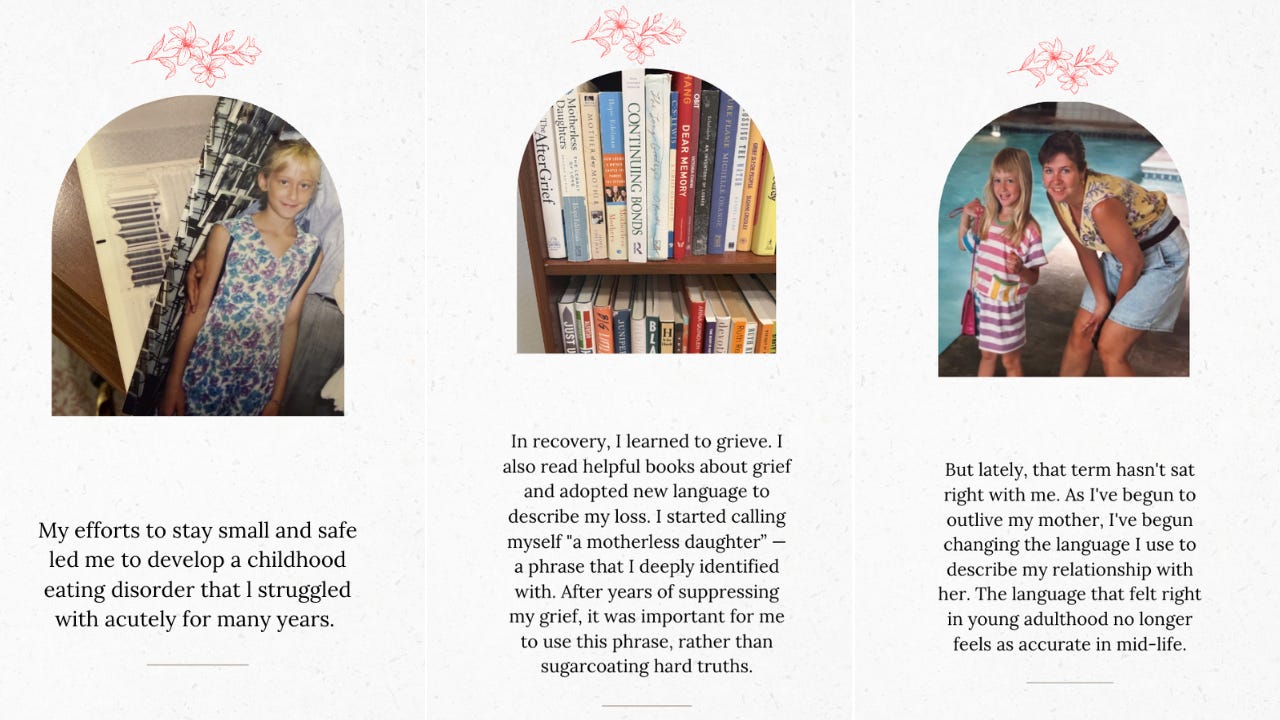
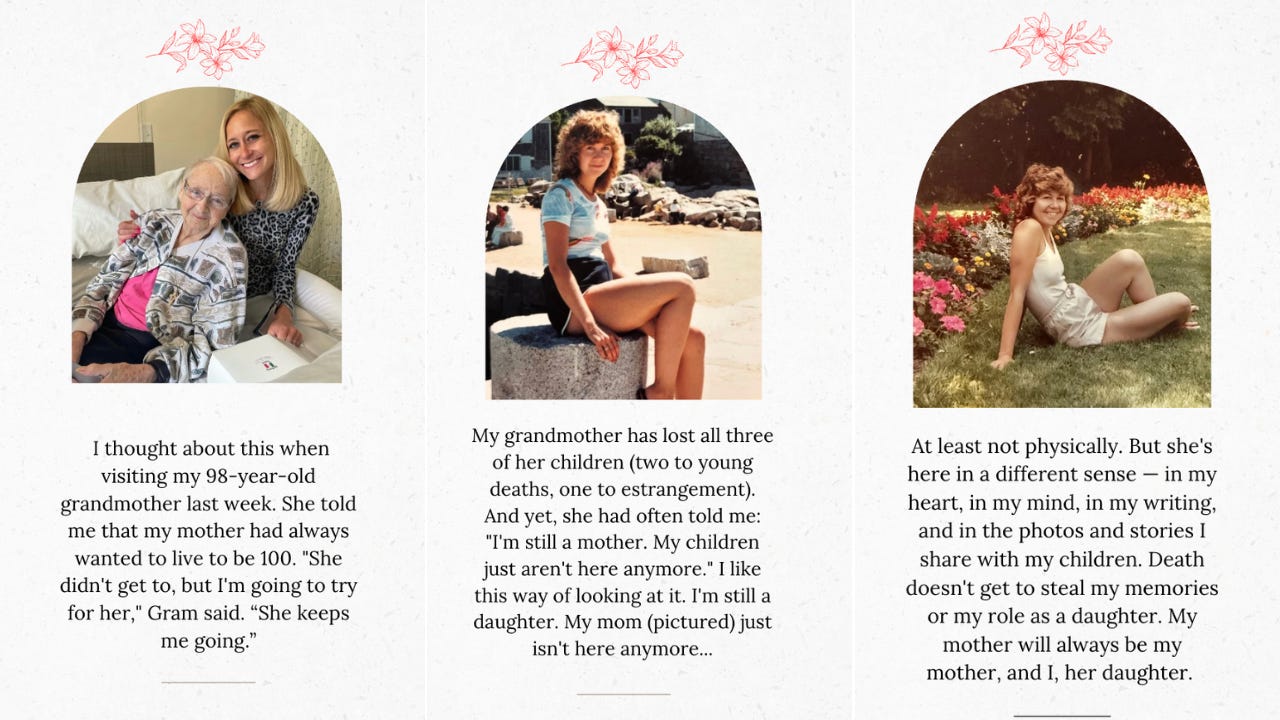
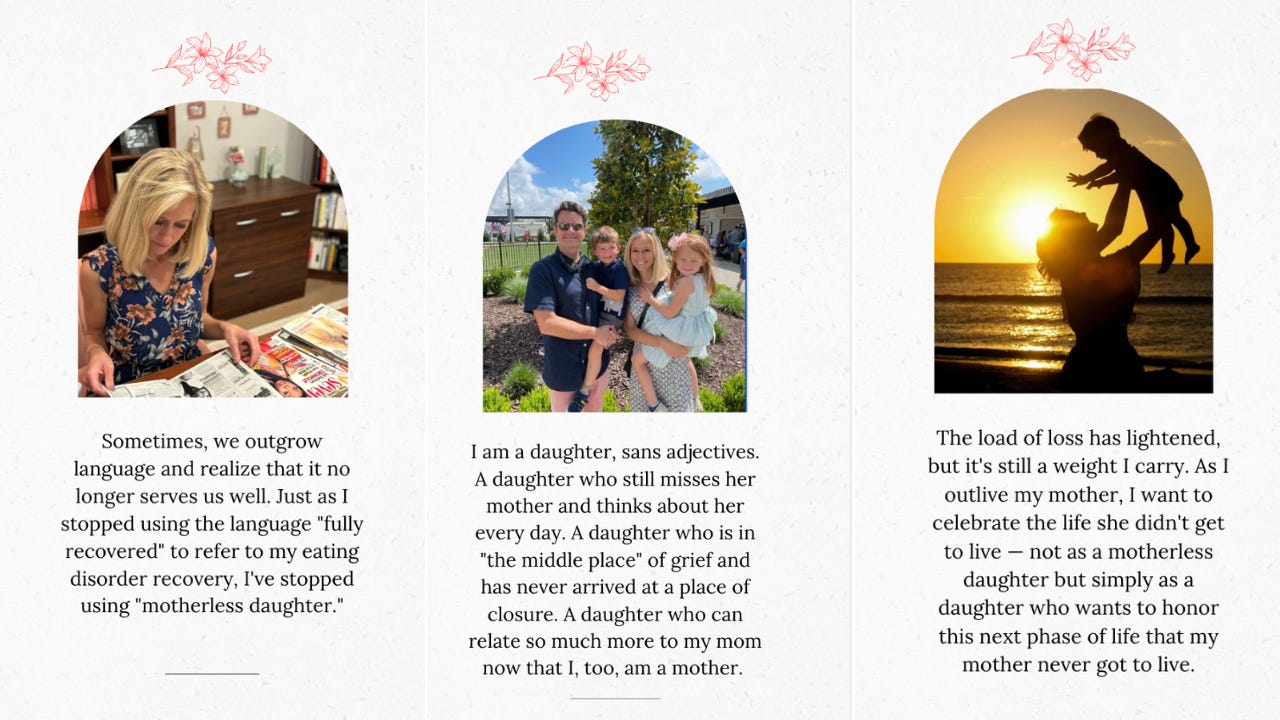
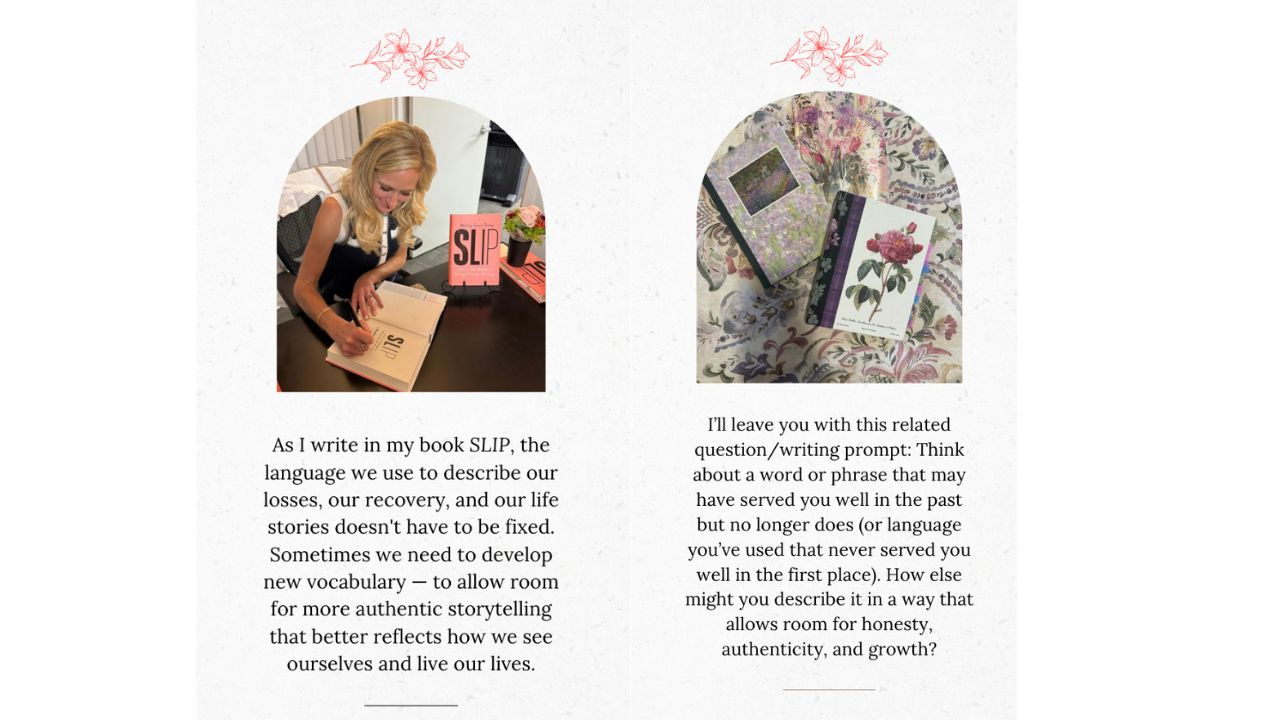
Lately, I’ve been doing something similar with my Instagram posts. As part of my ongoing efforts to write succinctly, I’ve started creating carousels that combine images and text in ways that challenge me to distill long narratives into shorter ones. Doing so has given me opportunities to flex different writing muscles and get a better sense of what type of writing resonates most with my audience. It has also helped me spread the word about my memoir in ways that feel more inviting. I’ve found that narrative-driven posts almost always resonate more with my followers than purely promotional ones.
Below, I’m sharing a related example from my latest Instagram post about outliving my mother. As you read it, remember that sometimes the best way to make more time for writing is to lean into the ways in which it is already integrated into your everyday life. Every email, every margin scribble, every social media post is an opportunity to strengthen your writing and sharpen your thinking around bigger projects.
With that, I hope you enjoy this example and the related writing prompt in the last image. If the font is too small for your liking, you can click on the images to view a full-screen version of them, or just access the post on Instagram.
How are you making time for writing these days? Or how do you hope to start carving out more time? Share your thoughts or goals in the comments.
So many good pointers, Mallary! Thank you!
To expand on what you said about reading writers or subjects related to your project, I’ve found it energizes all of my writing to (re-)read certain authors/ books/ pieces when I’m feeling stuck. On a flight last summer, I watched David Sedaris’ masterclass, and that was one of the things he said: read writers that make you think, “I can do this.” I’ve found that so helpful.
This is a great reminder that writing is bigger than the polished draft. The real craft often lives in the low-stakes stuff where voice and thinking are getting reps.