
10 tips for navigating your book's publication week/month
Lessons learned from the launch of my debut memoir SLIP.

It’s been almost one month since my debut memoir SLIP was published, and it’s been an incredibly meaningful stretch.
No one can fully prepare you for what publication day and the weeks that follow are like, and everyone’s experience is different. But I want to share some pointers that might be helpful if you’re working on a book or are about to publish one. They’re rooted in reactions that I didn’t anticipate as a first-time author and that, in some cases, caught me by surprise.
I’m sure I’ll learn a lot more over the coming months, but for now, here’s what I’ve got:
1.) Recognize that loss might creep in.
There is so much to gain from writing a book, but sometimes loss creeps in too.
My publication day was one of the most gratifying days of my life, but it was followed by an unexpected feeling of loss. Oddly, it reminded me of the way I felt after my mother died when I was 11. In the immediate aftermath of her death, I would count the hours and days that had passed since I last saw my mom. Every second felt like separation. During that first week after she died, people checked in, sent flowers and cards, expressed their condolences. But then, naturally, the check-ins subsided the more time passed.
The week after SLIP was published, I found myself counting the days that had passed since pub date. I worried about what it would feel like when the initial buzz about the book inevitably died down and messages stopped flooding my inbox. I found myself mourning for publication day and felt a sense of anticipatory loss around not wanting to lose the buzz that accompanied it.
I’ll likely write more about this, but for now I’ll just say that the transition from launch day to “post-publication life” could lead to unexpected moments of mourning, especially if you’ve suffered a significant loss that shapes the way you experience life. If this happens, remember that books have staying power and lasting impact. As Adam Grant recently said: “Shortform content usually goes in one ear and out the other. Great books take up residence in our brains and keep our neurons firing for years.”
You’re inevitably going to lose the initial attention around your book’s publication day, but you (and readers) will gain so much more over time.
2.) Appreciate quick reads of tough topics.
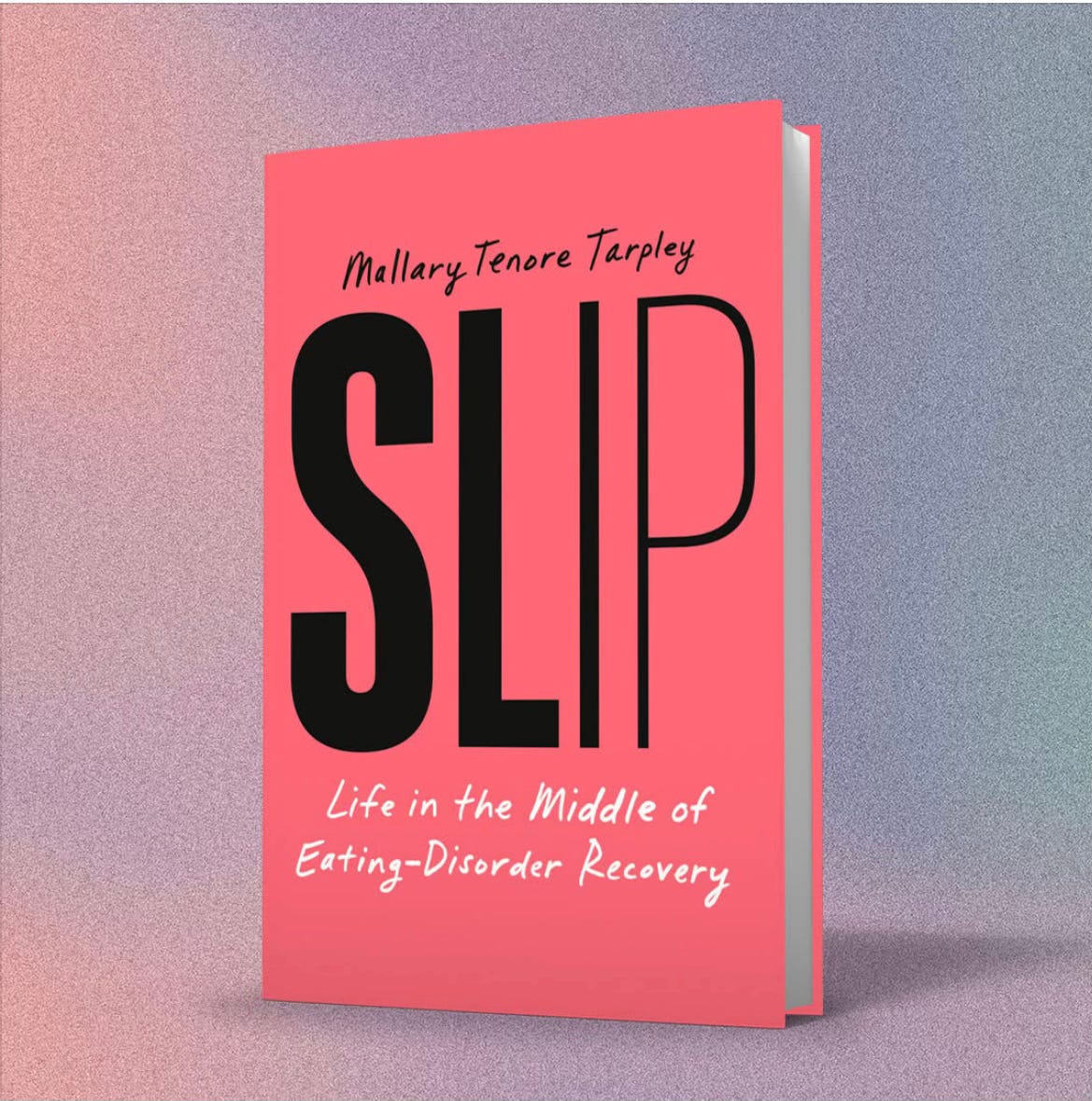
I was surprised by how many people told me, “I read your book in just two days!” At first, I thought, “Oh my gosh, they already read it? Is their relationship to the book now over?”
I didn’t anticipate that I’d react this way, but it makes sense. When people spend two days reading a book that you’ve spent half your lifetime working on, it can feel a little jarring. I’m reminded of when my grandmother would spent hours making dinner and then comment on how her grandkids scarfed it down in 15 minutes.
I now feel more prepared when people tell me they’ve read the book in a few days. (If this was the case for you, please don’t hesitate to tell me!) I’m genuinely glad the book seems easy to get through, even despite its tough subject matter.
A friend who reviewed the book said: “Mallary shares incredibly painful moments in her life, but the writing is so carefully crafted that you feel safe turning the pages.” That’s one of the best compliments a memoirist can get.
3.) Expect a range of reactions.
Post-publication, some family members, friends, colleagues, etc. will message you multiple times and will come to as many of your book events as possible. Some won’t message you or show up at all.
If you expect everyone to respond positively, you’ll inevitably feel let down. Expect a range of reactions, and don’t read too deeply into silence.
Sometimes people don’t reach out because they feel bad about not having read the book yet. Maybe they’re just busy. Or maybe they’ve read the book and don’t know what to say. A couple of friends, for instance, told me they weren’t sure if it was insensitive to say they “enjoyed” the book, given how tough the subject matter is. (I told them it wasn’t.)
4.) Prepare for apologies.
If you’ve written a memoir about difficult experiences that others close to you may not have known about, anticipate apologies.
Some parts of my book reveal experiences that I kept hidden for many years, and I knew these parts might catch friends by surprise. In some cases, I prepared them ahead of time. But in cases where I couldn’t, I’ve had friends and former colleagues tell me something along the lines of: “I’m so sorry; I didn’t realize you were going through that at the time. I wish I could have intervened and helped more.”
I’ve typically responded by saying: “There’s no way you could have known. I wasn’t ready to talk to anyone about these experiences back then, but it’s a sign of progress that I can do so now.”
5.) Save up energy for social media.
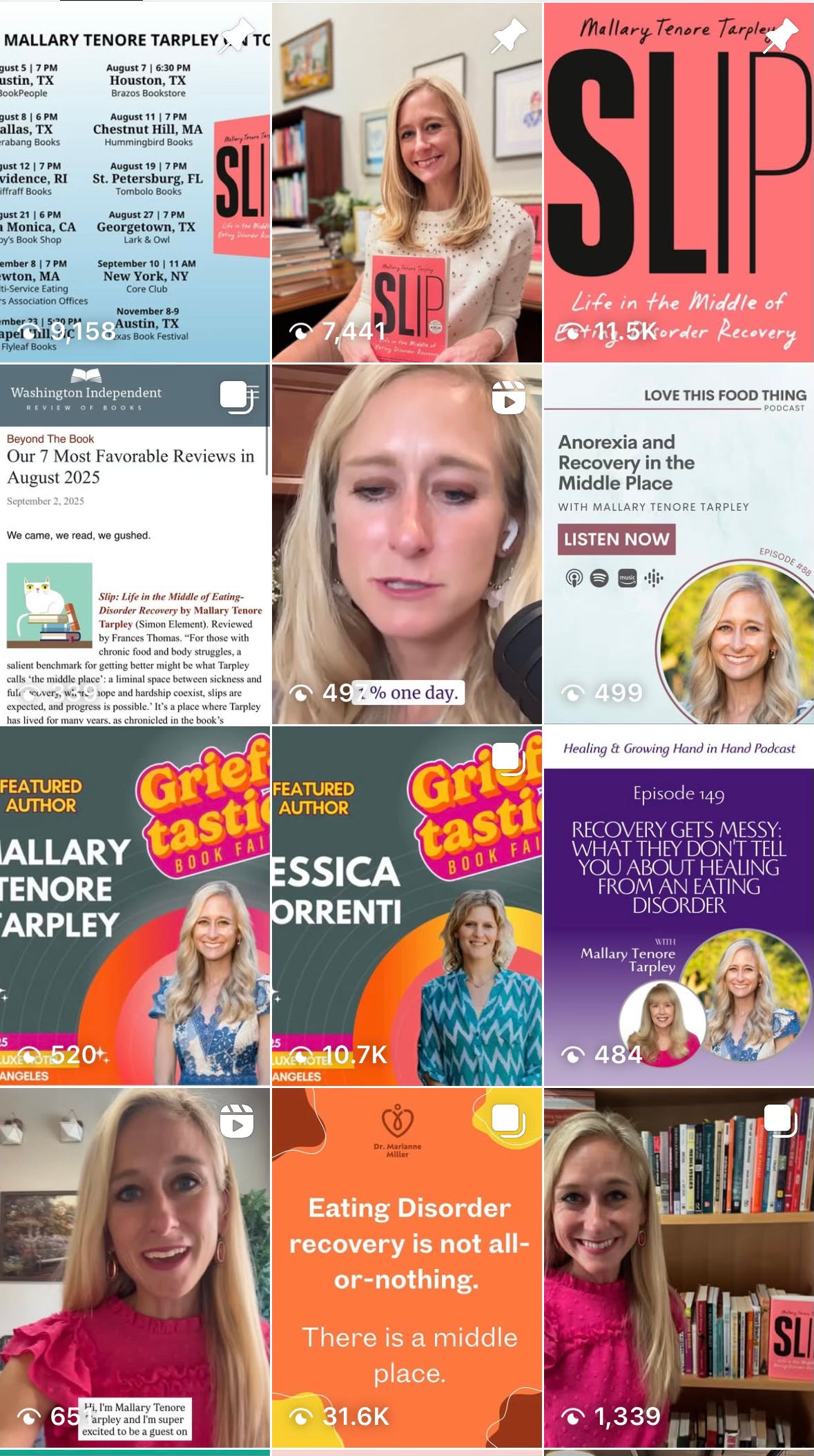
I underestimated how much of a time-suck social media would become on publication day and beyond. Lately, I’ve spent so much time writing social media content, posting it on various platforms, and responding to comments.
I’ve enjoyed this work because it’s fun to publicly celebrate SLIP, and it’s a way to build community. I also know that this level of engagement won’t always be as time-consuming as it is now. That said, there have definitely been moments when I’ve wished I had help. Some authors hire assistants to help them with social media in the months leading up to, and following, publication. I haven’t wanted to spend money on this, but I definitely understand the appeal.
Be sure to build in time for social media, and figure out how much time and energy you actually want to spend on it day to day (and if you want help with any of it).
6.) Remember that you don’t have to serve all roles.
Once you publish a memoir (and if you do media interviews about it), you may find that your roles multiply. During interviews about SLIP, I’ve been asked to share advice about eating disorders, recovery, anxiety, depression, addiction, caregiving, writing, publishing, and more.
“What advice would you give to …?” is one of the most common questions I’ve gotten. When answering, I’ve sometimes felt like I’ve had to become an expert in anything and everything all at once.
I’m careful not to preface my responses by saying “I’m not an expert in XXX” because I don’t want to discredit my knowledge. (I’ve written before about how women have a tendency to do this.) But there are moments when I’ve had to remind myself that I’m not, for instance, a clinician and therefore shouldn’t expect to sound like one.
I always try to make it clear in interviews that I’m speaking as a woman who has lived experience and as an author who has done extensive reporting on the topics I’m discussing. Clarifying your actual roles is important.
7.) Give yourself grace when responding to messages.
I’ve been getting so many kind messages from readers of SLIP, and from readers of a related essay I wrote for The Wall Street Journal a couple weeks ago. These messages have come to me via variety of different platforms, and I’ve admittedly had a hard time keeping up. I typically pride myself on responding to messages quickly, but now there’s no way I can respond to everyone in a timely manner.
I’m still learning to follow my own advice here, but remember that you don’t have to respond to everyone right away (or at all). And not every response needs to be carefully crafted. Sometimes an acknowledgement of receipt and a quick line of gratitude will go a long way.
8.) Don’t feel obligated to discuss sales.
I’m learning that people are really curious about sales. Many have asked, “How are sales?” or “Are you happy with how the book’s selling?” These questions are well-intentioned, but they caught me off-guard at first.
I’ve started answering with a somewhat vague response: “I don’t have real-time access to sales numbers, but based on the numbers I’ve seen so far, they seem to be pretty good.” Then I start talking about the qualitative measures of the book’s success (such as the media appearances and the nice notes readers have sent me).
You don’t need to share your sales numbers with anyone, and the reality is, you probably won’t have easy access to them as an author. Your agent and editor may have access to BookScan and can share sales figures upon request. But these numbers are just one measure of success. They tell part of the story, but not the full story, of a book’s reach and impact.
9.) Acknowledge your inner overachiever.
Admittedly, I look at my book’s Amazon rankings a few times a day. I’m sure this habit will subside over time, but for now, I like having a numerical sense of how the book is doing. I also check Amazon and Goodreads reviews a few times a day (even though people always say not to)!
Throughout it all, I’ve been reminded of how hard it is to please the overachiever in me. When I didn’t get a New York Times review, for instance, I felt crestfallen. I’ve experienced similar feelings about not having made a bestseller list yet. In moments like this I try to shift my thinking by focusing on the positive responses and reviews the book has gotten.
For the fellow overachievers and perfectionists reading this: Remember that just because you may not have gotten that dream review, or that coveted TV interview, doesn’t mean that you or your book are any less deserving of attention or praise.
10.) Don’t worry about not knowing what’s next.
Inevitably once your book comes out, people will start asking: “So, what’s your next book?” (Actually, people started asking me this over a year ago, after I turned in my manuscript!) This question is rooted in curiosity, and it’s often a compliment; if people like your writing, they’re going to want to read more from you.
That said, it’s OK if you don’t know what your next book will be, and it’s OK if you don’t want to write another one in the first place.
I plan to write a second book, but I’m still so deeply invested in SLIP that I haven’t had time to flesh out my ideas yet for book number two. I plan to make time for this soon. For now, I’m trying to be present in this publication phase — while recognizing all that I have to gain from it.
I’d love to hear from you! What tips would you add to the list? What related questions do you have?
—If you haven’t yet purchased SLIP, I hope you’ll do so! It’s available on Amazon or wherever you buy books.
—I’ll be leading two virtual writing workshops (one in September and one in October) and hope you’ll consider reserving a spot! You can find more details here.
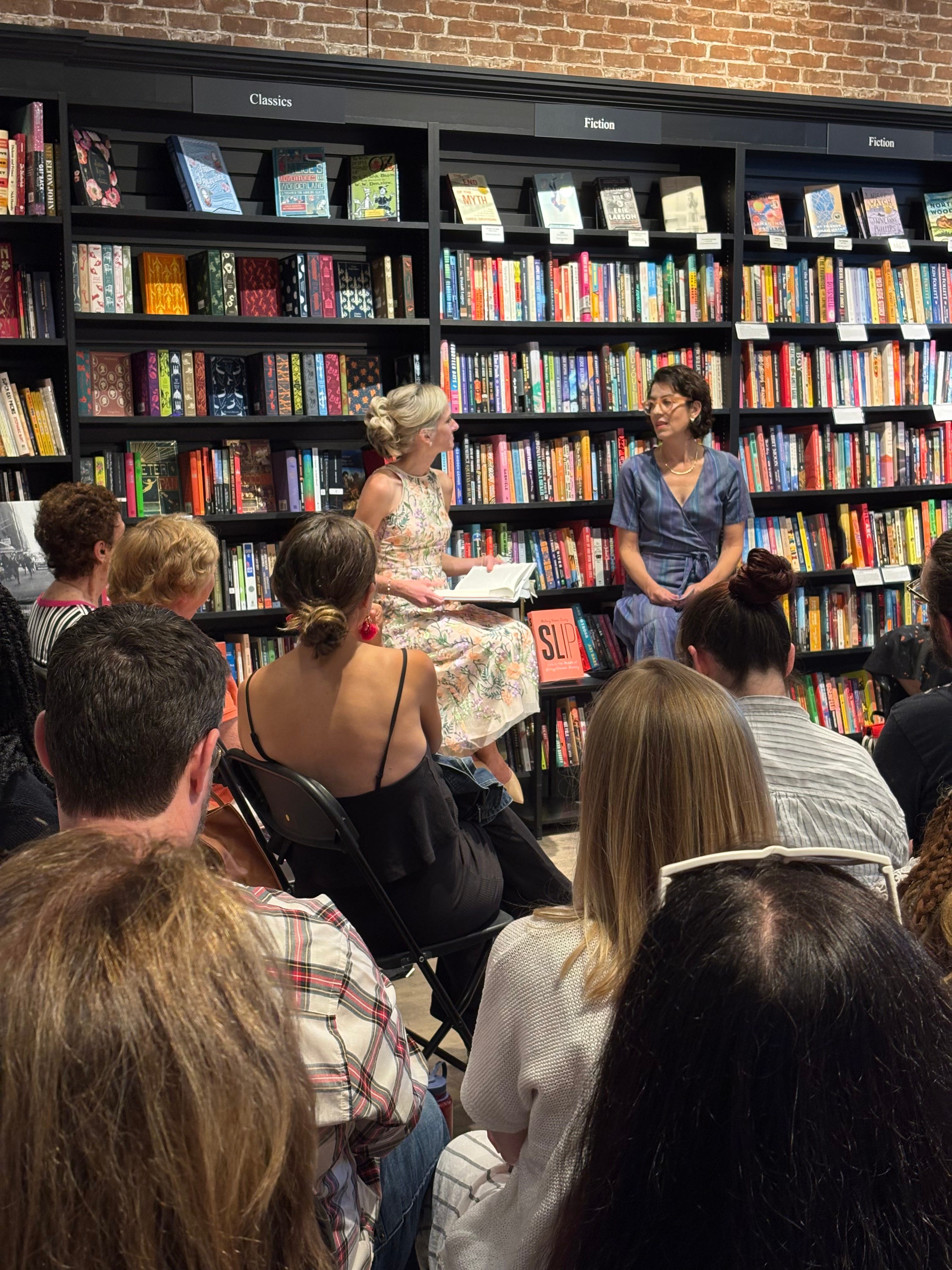
—Lastly, I have several more book tour stops coming up this fall, and I hope you’ll join me! You can find more details, and RSVP pages, here.
My memoir releases the end of October, and this post is so helpful. Thanks so much for sharing your experiences and offering great advice. Huge congrats on your book, and I can't wait to read it!
Thank you for this!